
In a world of Pinterest boards, Instagram inspiration, and picture-perfect homes, are we losing sight of what makes a space truly special? Landscape artist Mo Helmi believes our obsession with aesthetics may be coming at the expense of something far more meaningful: how our homes make us feel. Here, he explores the difference between spaces designed to be photographed and those designed to be lived in, and makes a compelling case for bringing a little imperfection back into our homes and gardens.
There was a time when homes reflected the people who lived in them. They bore the marks of everyday life: places to gather, to retreat, to celebrate, to grieve, to grow old. Today, many homes seem to be designed for someone else entirely, a stranger scrolling through a screen.
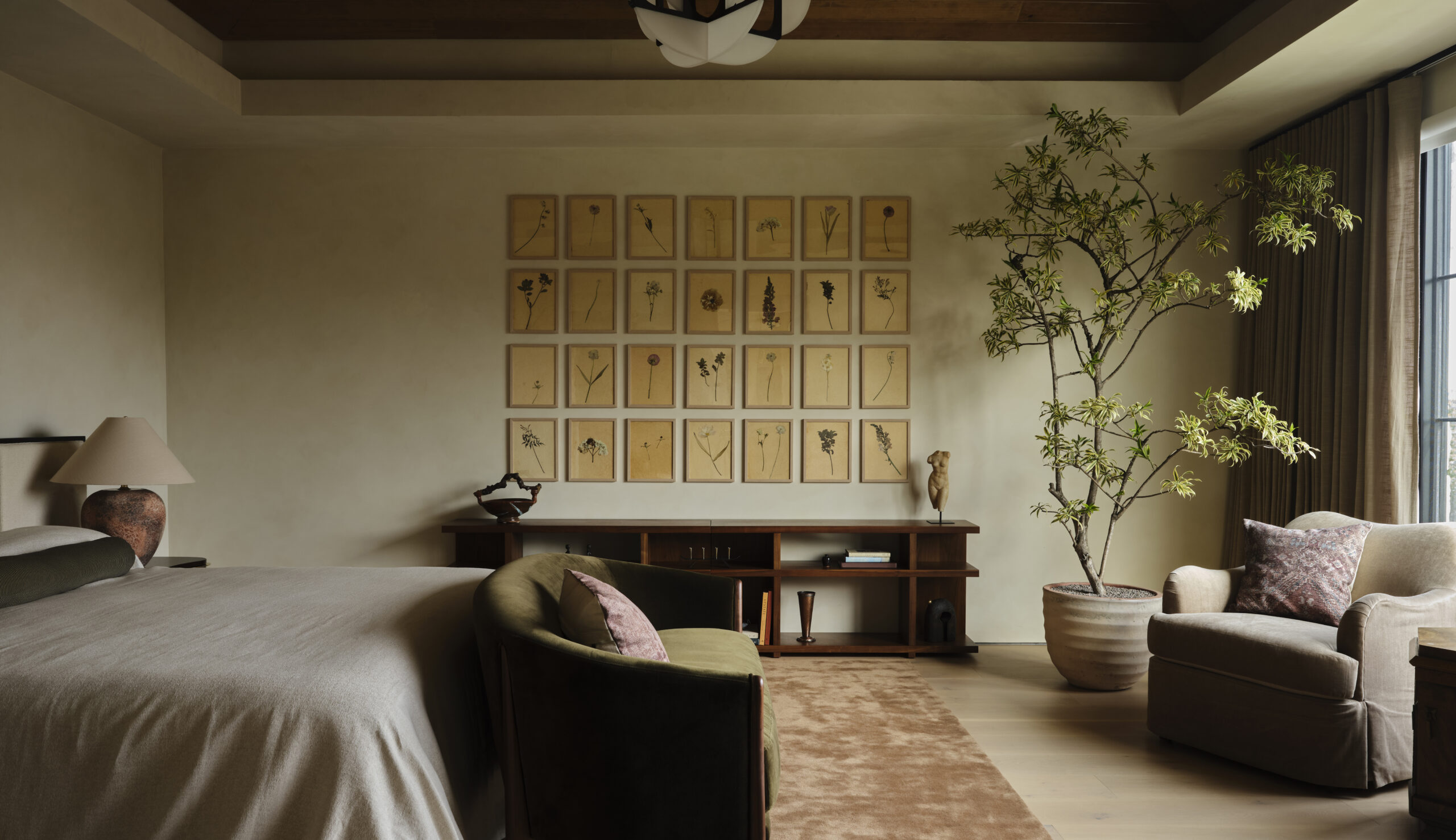
Scroll through social media and it becomes surprisingly difficult to tell where one house ends and another begins. Whether you’re looking at Los Angeles, London, Dubai or Sydney, the same polished limestone terraces, sculptural olive trees, bouclé furniture, neutral palettes and sleek fire tables appear again and again. Homes have become globally recognisable but strangely placeless. We have unprecedented access to endless inspiration, yet our domestic environments have never looked more alike. What has changed isn’t simply how we decorate our homes. It’s what we believe homes are for.
Social media has undoubtedly democratized design. Never before have we had such access to beautiful interiors, architecture and landscapes from every corner of the world. Inspiration is no longer reserved for professionals or glossy magazines. But somewhere along the way, inspiration quietly became imitation. Increasingly, our homes are becoming stages for visual performance rather than places that support the complexities of being human.
Clients often arrive with folders full of immaculate images. Minimalist courtyards with perfect symmetry. Endless expanses of porcelain paving interrupted by a single specimen tree. Beautiful photographs, certainly. But they raise an important question: beautiful for whom? Pinterest boards and Instagram collections have quietly become the new design brief. Instead of asking how a family wants to live, we often begin by asking what images they have saved. The algorithm has become one of the most influential designers of our homes, rewarding spaces that are immediately legible on a screen rather than deeply satisfying over time.
Every design consultation I begin starts with the same question—not “What style do you like?” but “How do you want to live here?” Almost every time, there is a pause, and then the answers have less to do with aesthetics and more to do with describing moments: morning coffee with a loved one, watching pollinators visit the flowers, or entertaining friends on warm evenings beneath a tree.
Don’t get me wrong, receiving mood boards from a client is incredibly valuable. They offer insight into what someone is instinctively drawn to. But they should be the beginning of the conversation, not the design brief itself. No collection of saved images can replace a thoughtful discussion about how someone wants to live, feel and move through a space.
Many of these landscapes are designed to be admired rather than inhabited. They photograph exceptionally well because they reduce visual noise. Yet, in removing the very things that create complexity; seasonality, texture, movement, wildlife, scent and even imperfection—they often remove much of what makes a garden genuinely restorative.
The irony is striking. We are more obsessed with wellness than ever before. We buy meditation apps, sleep trackers and supplements; I am certainly not immune to any of these myself. Yet we willingly create outdoor spaces that are biologically quiet and psychologically flat. We spend thousands on wellness retreats, cold plunges and breathwork classes while overlooking one of the most powerful everyday environments affecting our nervous system: the space immediately outside our own door.
The pursuit of the perfect image has also altered our understanding of maintenance. “Low maintenance” has become one of the most common requests in residential design. Across many cities, it increasingly translates into fewer plants, more hard surfaces, artificial turf, decorative gravel and landscapes that ask very little of us. These materials promise convenience and permanence, but they also remove much of what makes gardens psychologically restorative. We have confused landscapes that demand less care with landscapes that give us more. Relationships require care. Communities require care. Our physical and mental wellbeing require care. Why should our relationship with nature be any different?
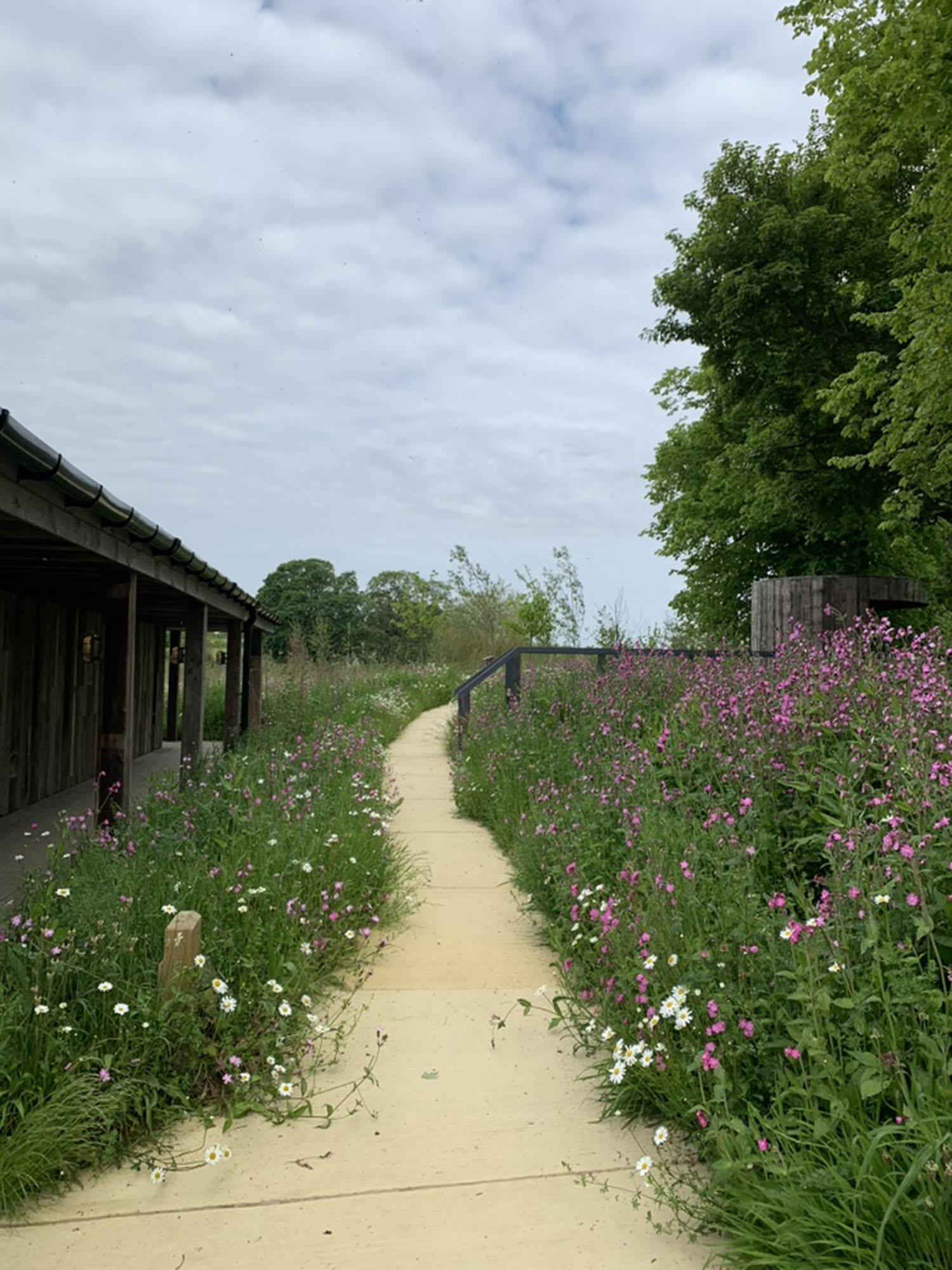
A garden should not merely exist outside the window like a framed artwork. It should invite participation. It should change with the seasons, ask for attention, surprise us with new growth, attract birds whose names we may never know, fill the air with fragrance after rain and remind us that we belong to a living system rather than standing outside it.
Our obsession with perfectly curated aesthetics extends well beyond gardens. We now live in a culture increasingly optimized for exposure. Cafés are designed for photographs before conversation. Restaurants engineer dishes for social media. Holiday destinations become backdrops for content creation. Homes the most intimate spaces we possess, have not escaped this transformation. They too have entered the economy of attention.
The danger is not that beauty has become important. Beauty has always mattered. Throughout human history, beautiful surroundings have elevated human life. The danger lies in confusing beauty with performance.
There is a profound difference between a place that looks beautiful and one that makes you feel well. One appeals primarily to the eye. The other engages every sense. It slows your breathing. It softens your attention. It offers moments of curiosity instead of constant stimulation. Possibly the greatest loss is one we rarely discuss. Children growing up in highly curated landscapes encounter fewer opportunities for discovery. Fewer insects to examine. Fewer birds to recognise. Fewer seasonal changes to anticipate. If gardens become static backdrops rather than living ecosystems, they stop teaching curiosity.
In many ways, gardens reveal our cultural priorities more honestly than our living rooms. They expose how willing or unwilling we are to coexist with other forms of life. Whether we see nature as something to control, decorate or collaborate with. This is not an argument against contemporary design. Some of the most beautiful landscapes I know are also among the most ecologically generous. Simplicity and biodiversity are not opposing ideas. Good design is not about adding more; it is about choosing more thoughtfully.
Maybe the future of luxury will not be measured by flawless surfaces but by living ones. By gardens alive with movement, birdsong, seasonal change and biodiversity. By spaces that ask not only, “Does this look beautiful?” but also, “How does this make people feel?” and “What other life does it support?”
We have spent decades making our homes look more expensive while quietly making them less alive. We are conflating visibility with value. The most memorable homes are rarely the ones that photograph perfectly. They are the ones people never want to leave. Years after a project is finished, clients rarely tell me how beautiful the paving looked. They send me pictures of the hummingbirds and butterflies that keep returning. They tell me about the scent of jasmine drifting through an open window. Their children picking lemons. Friends who stayed far longer than planned because no one wanted to go inside.
Perhaps that’s the real measure of great design. Not how often a home is photographed, but how deeply it is lived in.
Tips:
1. Design your home and garden to feel older than you.
I always say, live in a home that is older than you. But even in a newer home, you can create a sense of history and character through the materials, planting and objects you choose. A home should feel as though it has evolved over time, rather than been completed all at once.
2. Layer in many shades of green.
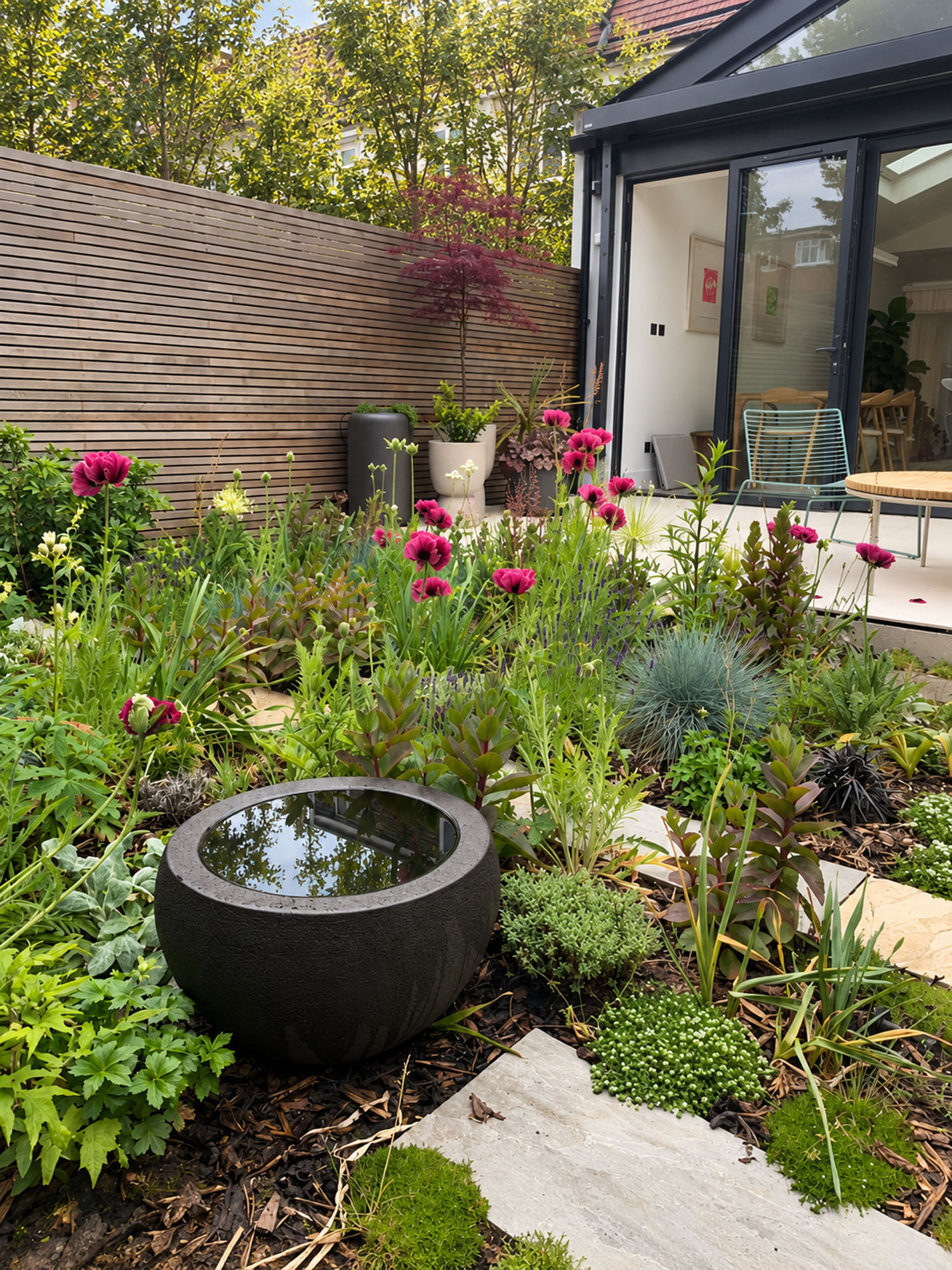
The human eye can distinguish more shades of green than any other color, and being surrounded by greenery has been associated with feelings of calm and restoration. Layering different shades, textures and tones of green creates visual depth while helping a space feel softer, more natural and connected to the living world. Along with many other facts about this earthly color, makes it an essential part of our everyday lives.
3. Introduce objects that tell a story.
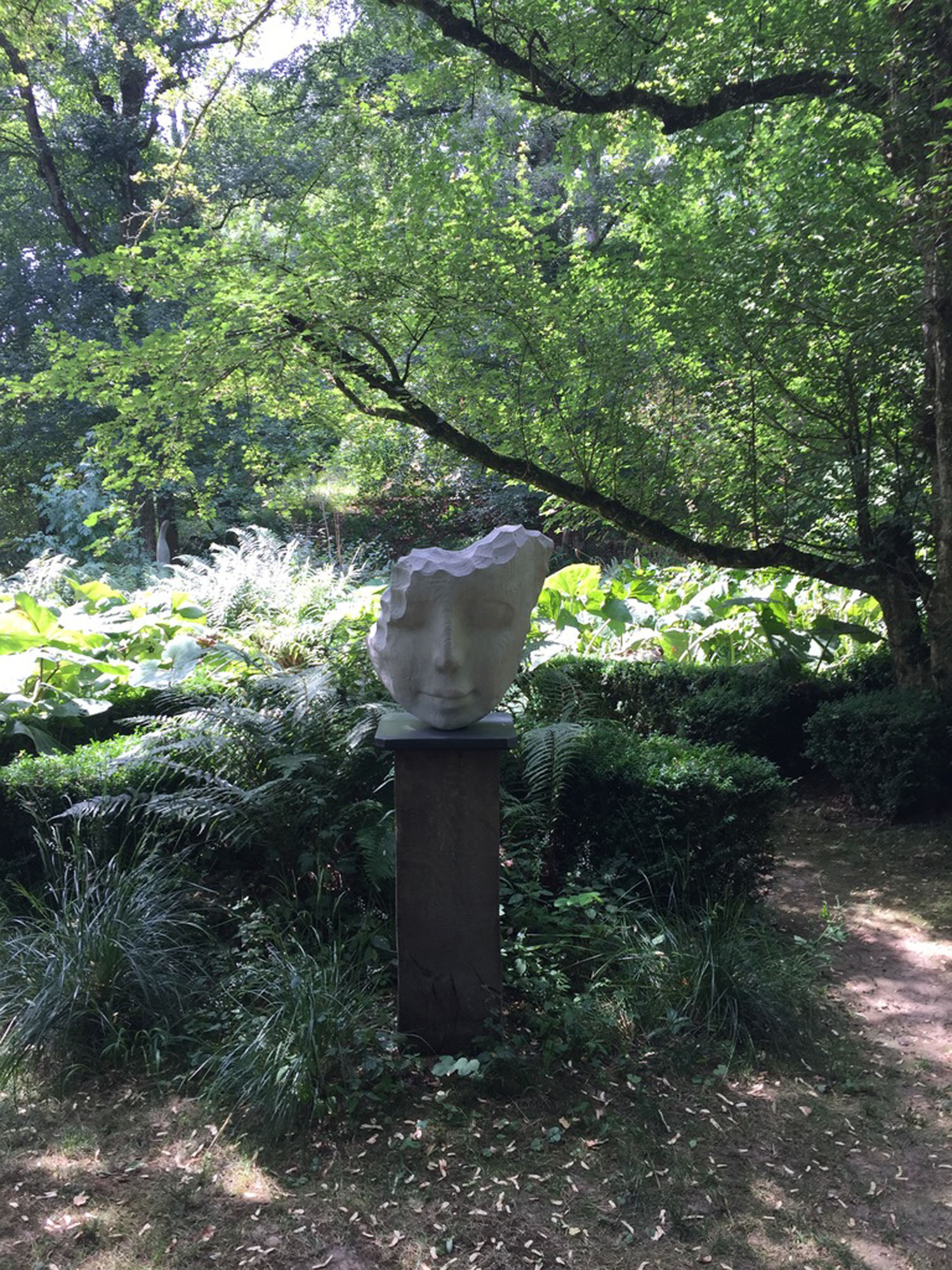
Outdoor sculptures, weather-resistant ceramics and antiques can create focal points, provide architectural contrast and bring year-round interest to a garden. More importantly, they give a space personality, offering a non-verbal reflection of your individual taste, history and emotional connection to a place.
4. Plant for pollinators without sacrificing the design.
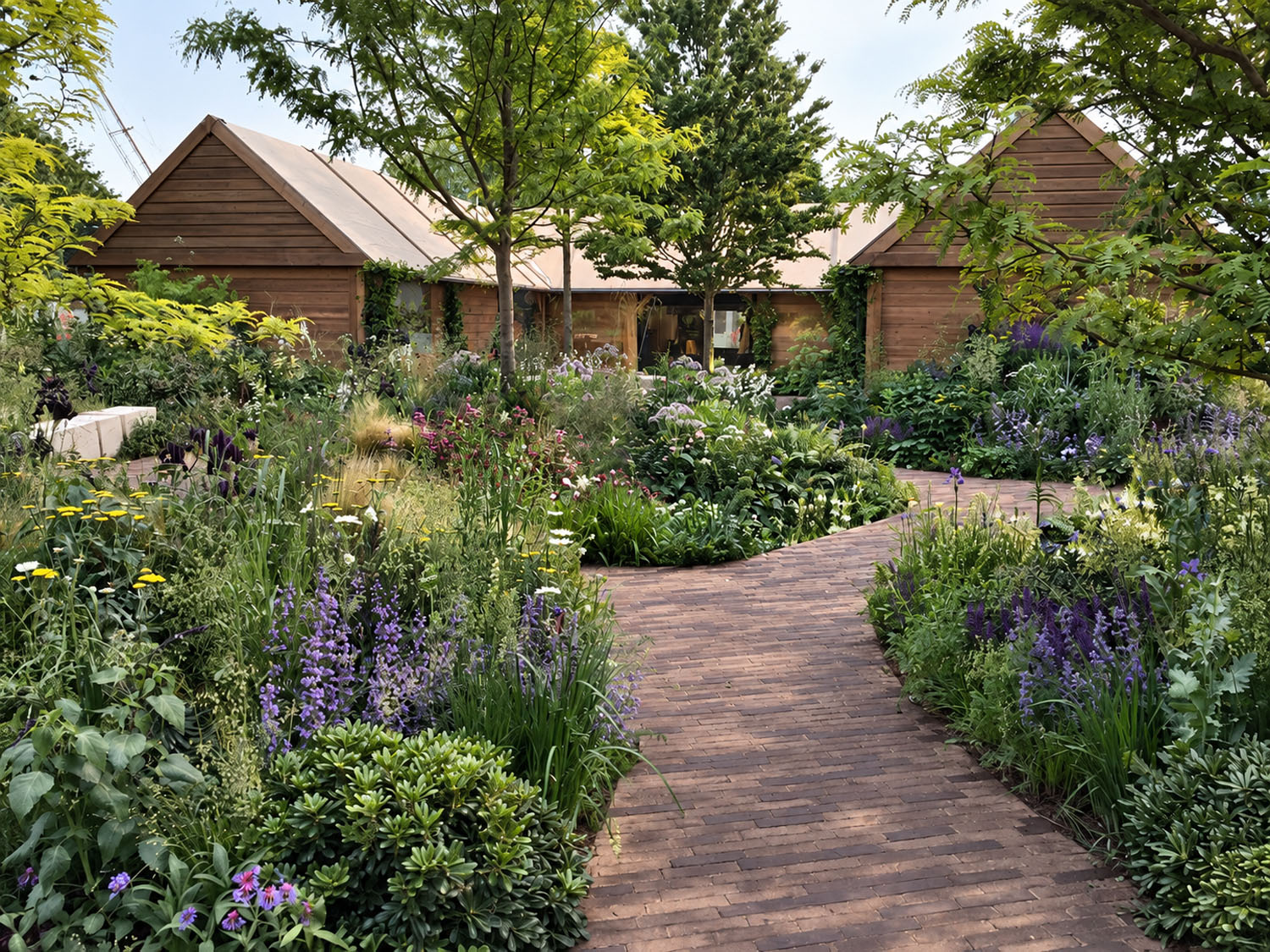
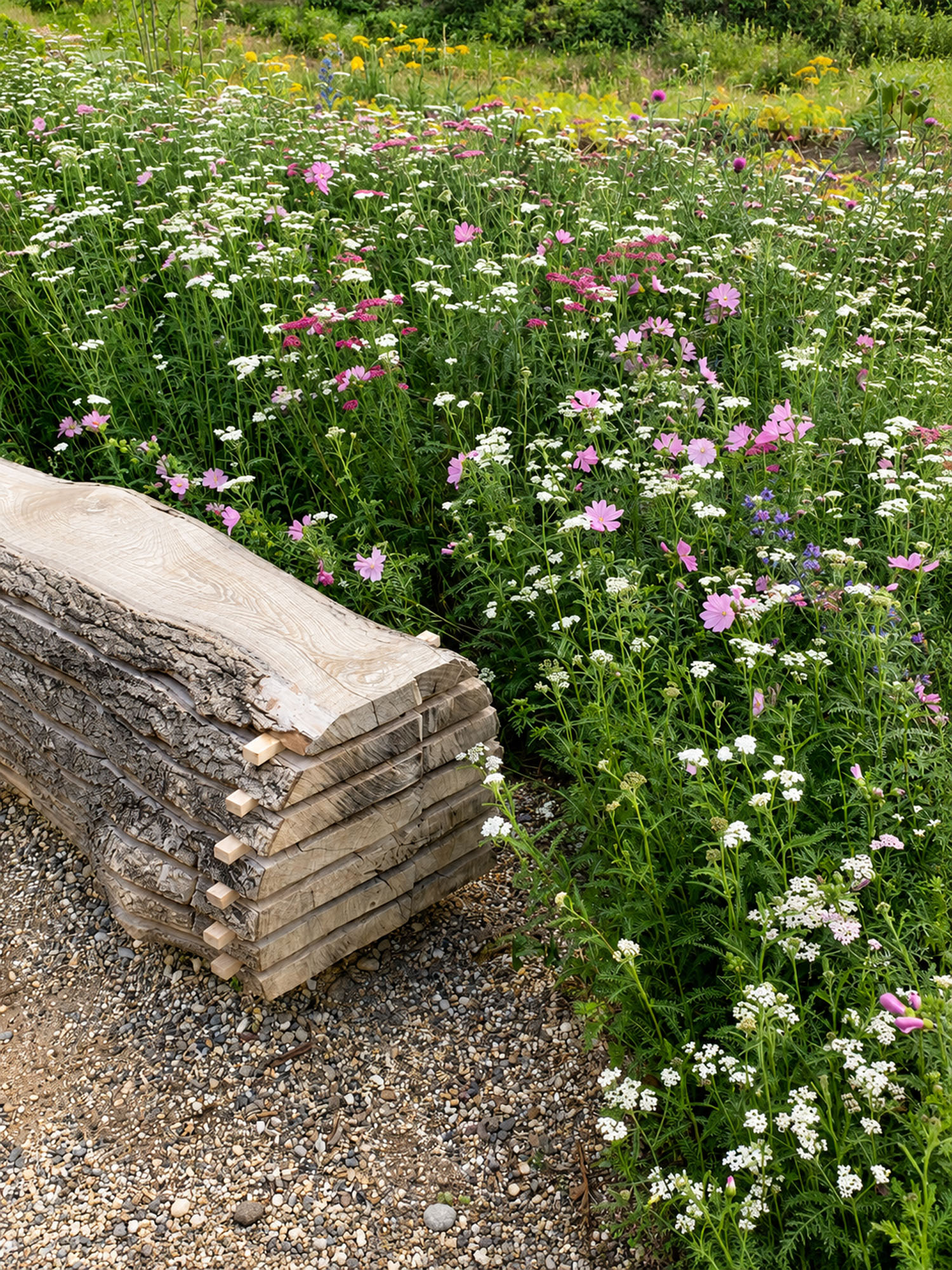
Choose at least three pollinator-supporting plants that complement your overall garden aesthetic, then repeat them in groups of three or five throughout the space. Repetition creates visual continuity while providing valuable habitat and food sources for pollinators and songbirds.
5. Soften straight lines with curves and organic shapes.
Introduce sweeping paths, curved planting beds, tiered planters and organic forms to create softer, more inviting garden spaces. Curves encourage a sense of journey and discovery while enhancing visual flow and making a garden feel more expansive.